Night Ride.
Revisiting a Luma film with Codex and Higgsfield.
Can generative AI revise a finished film? How much can Codex do on its own?
Direction & review / Anthony FurlongIndependent spec study. Not commissioned by Polaris.
02 / From the panel to the test
Can AI revise a finished film?
At my LA Tech Week panel on long-form AI filmmaking, I raised a familiar production question. A feature makes a product deal with BMW. Every Mercedes in the film now needs to change. Can the vehicles be replaced while the performances, camera movement and approved edit stay intact?
I wanted to see what the machine would do with that task. Over a year earlier, I had created a spec Polaris brand film in Luma, based on a film I originally shot. The models had invented plausible off-road vehicles, but they weren’t actual Polaris products.
Replace the invented vehicles with real Polaris models while keeping the exact timing and movement throughout the entire 30-second brand film.
A short film gave me a manageable test of a problem that extends across longer productions: keeping a change consistent through a sequence.
03 / Codex was part of the experiment
I gave it the old edit and a starting prompt.
I allowed Codex to drive the process. Higgsfield’s direct integration gave it access to the image and video models. I wanted to see how far it could get with the brief, and where I would need to step back in.
It broke down the film, researched Polaris references, built photographic keyframes and used the existing footage to guide the action. GPT Image 2.5 Flare created the reference images. Genjutsu Motion Transfer supplied 20 of the final replacement shots; Kling, Gemini and Seedance handled other shots and repairs.
Some adjustments needed my eyes and specific direction. That intervention was part of the result: the test included finding out what the agent would miss.
Shot analysis, product references, model selection, generation, QC, assembly and Resolve operation.
The brief, review, corrective direction and judgment about what still worked in the film.
Models used in the final shots
- Genjutsu Motion Transfer
- 20 shots
- Kling O3 Video
- SH01 + SH12
- Genjutsu Object Swap
- SH05
- Kling O3 Video Edit
- SH04
- Gemini Omni Flash 1.1
- SH10
- Seedance 2.5
- SH26
These are the final video routes. Keyframes, unsuccessful attempts and earlier repairs also contributed to the process.
04 / Watch the same edit
Compare the two versions.
The final revision and the older Luma film, synchronized with one copy of the original soundtrack.
The cuts and durations line up. Some shots contain different people, and movement and backgrounds also changed. I left the changed people in so viewers could see what the machine produced. This compares the two AI versions, not the original live-action film.
Download comparison QuickTime05 / Where the test got specific
Three shots, three different fixes.
2025 Luma and 2026 revision.
Matched positions in the edit.
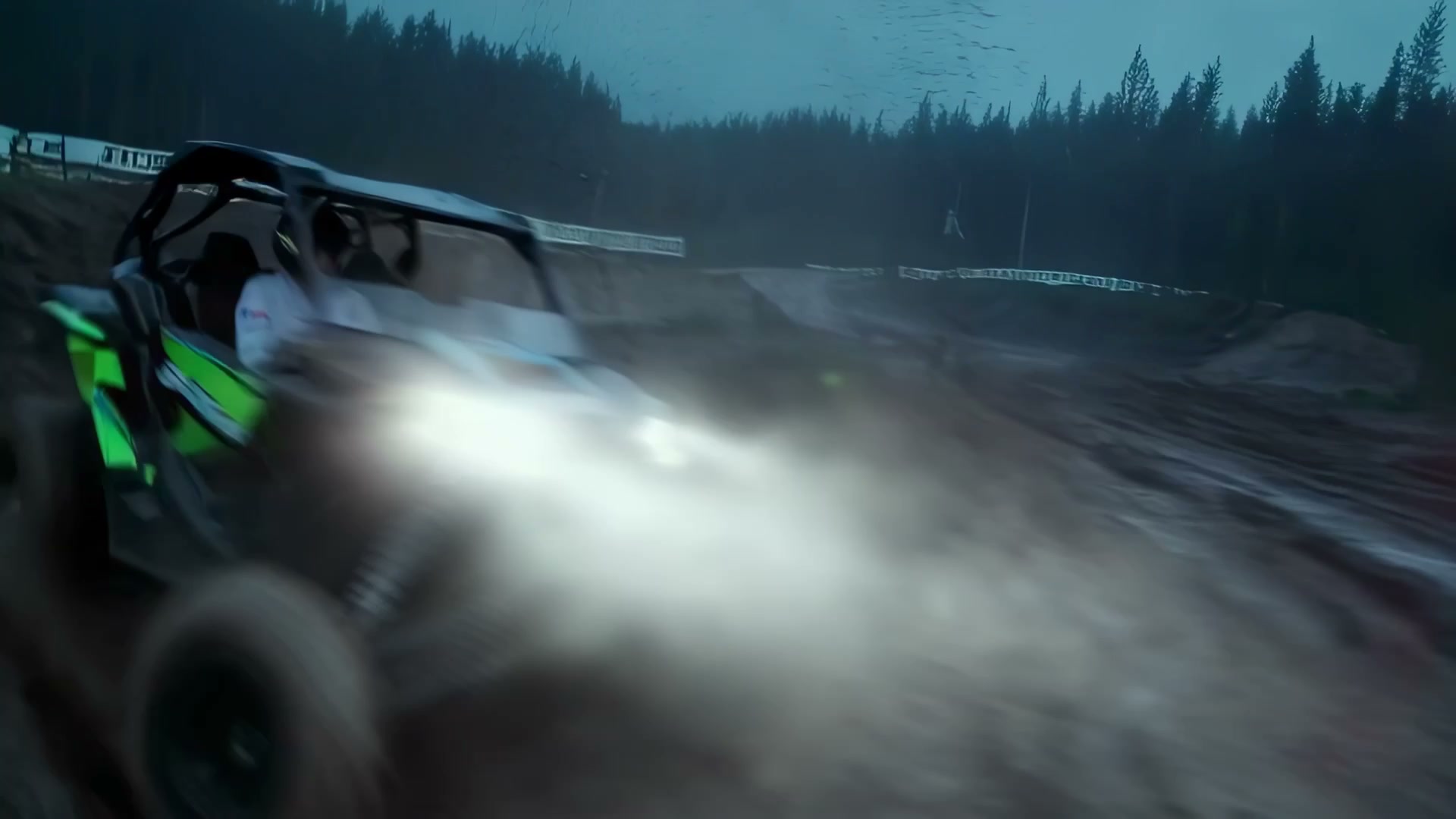
An invented buggy with inconsistent product details.
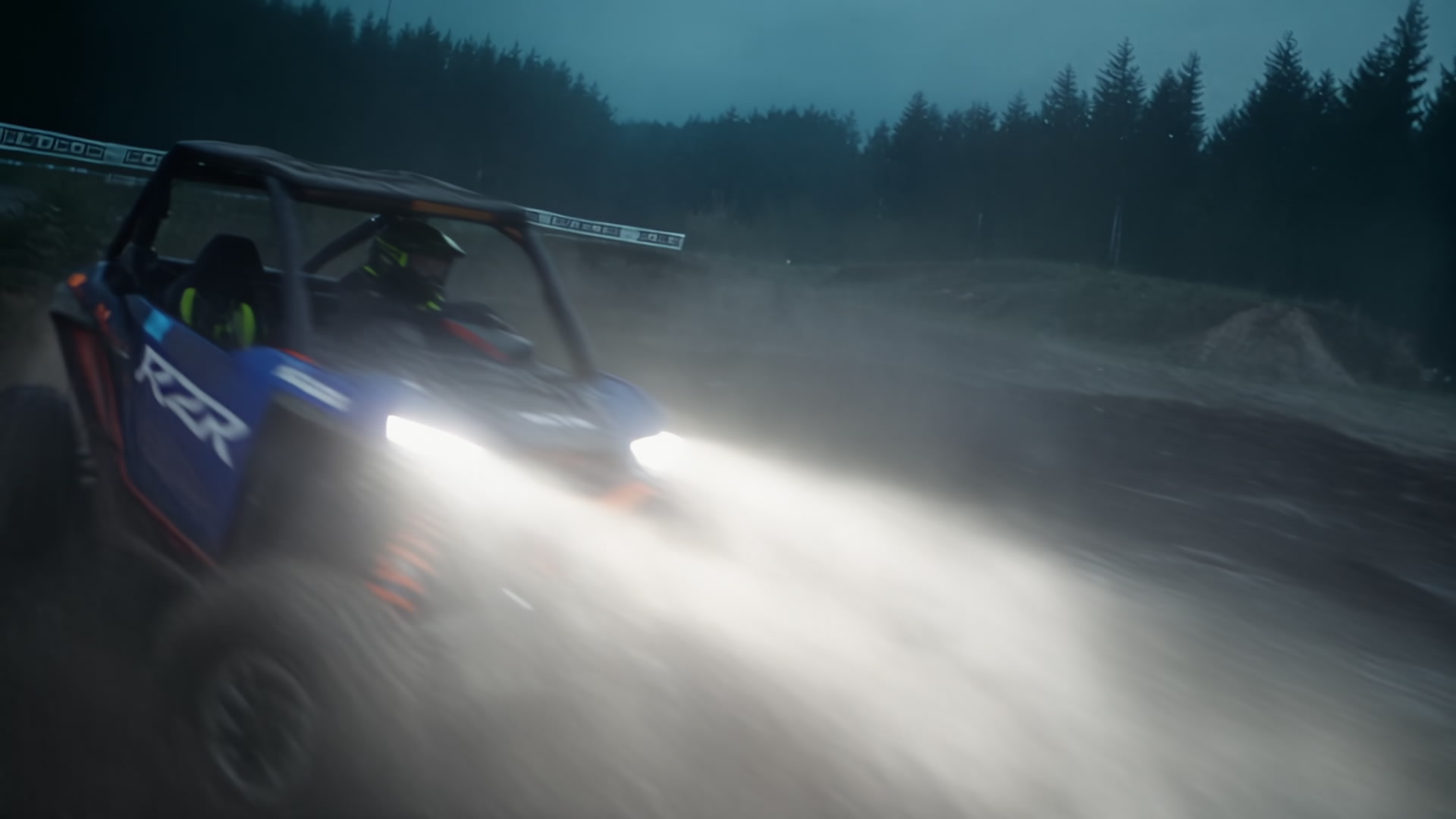
A RZR-family vehicle grounded in Polaris references.
Replace the invented vehicle.
The body, cage, doors and suspension read more coherently through the pass. The cut is unchanged; the precise vehicle position and action phase vary.
06 / The human review and finish
The fixes I asked for.
An empty Polaris appeared to move by itself. Several revisions kept too much of that movement. The selected take anchored the vehicle, let the people move, and used a more static camera. That fix alone took 168 credits.
The new images also looked too crisp compared with the original footage I shot on a VariCam with Cooke lenses. I asked Codex to use DaVinci Resolve to balance the shots, reduce brittle detail and soften highlight transitions.
The finish brought the material closer to the photographic character I wanted. It couldn’t make every generated movement identical or recover detail the sources never contained. Some shots contained different people, and gestures and backgrounds changed too.
07 / The measured cost
What the revision cost.
All Higgsfield generations,
including images and unsuccessful takes.
Codex ran under my existing plan. No decrease in purchased Codex credits was observed during production. An exact share of the subscription can’t be assigned to this film. My time and DaVinci costs are additional.
See the credit breakdown
- Initial recreation + tests
- 2,993
- Continuation + repairs
- 1,535
- SH01 parked-vehicle fix
- 168
- SH12 rain + performance
- 18
Net balance usage includes refunds. $188.56 is the platform’s usage valuation, not an all-in production budget.
08 / What I took from it
Could I make the revision I asked for?
We could revisit an older film, improve its images and correct its vehicles while preserving the edit. That required multiple models and several rounds of generation and review.
Some shots came back with different people. I left those changes in because I wanted to share what the machine had made. Backgrounds and gestures changed too.
The comparison shows where the models followed the brief and where they changed more than I asked them to.
Read my full article on LinkedInOriginal Luma export: October 2025. Revision: October 2026.
Self-initiated research. No Polaris commission or endorsement.
Contact
Let’s talk.
I’m open to full-time studio leadership roles and conversations with studios and productions that could use my experience.
Email Anthony LinkedIn